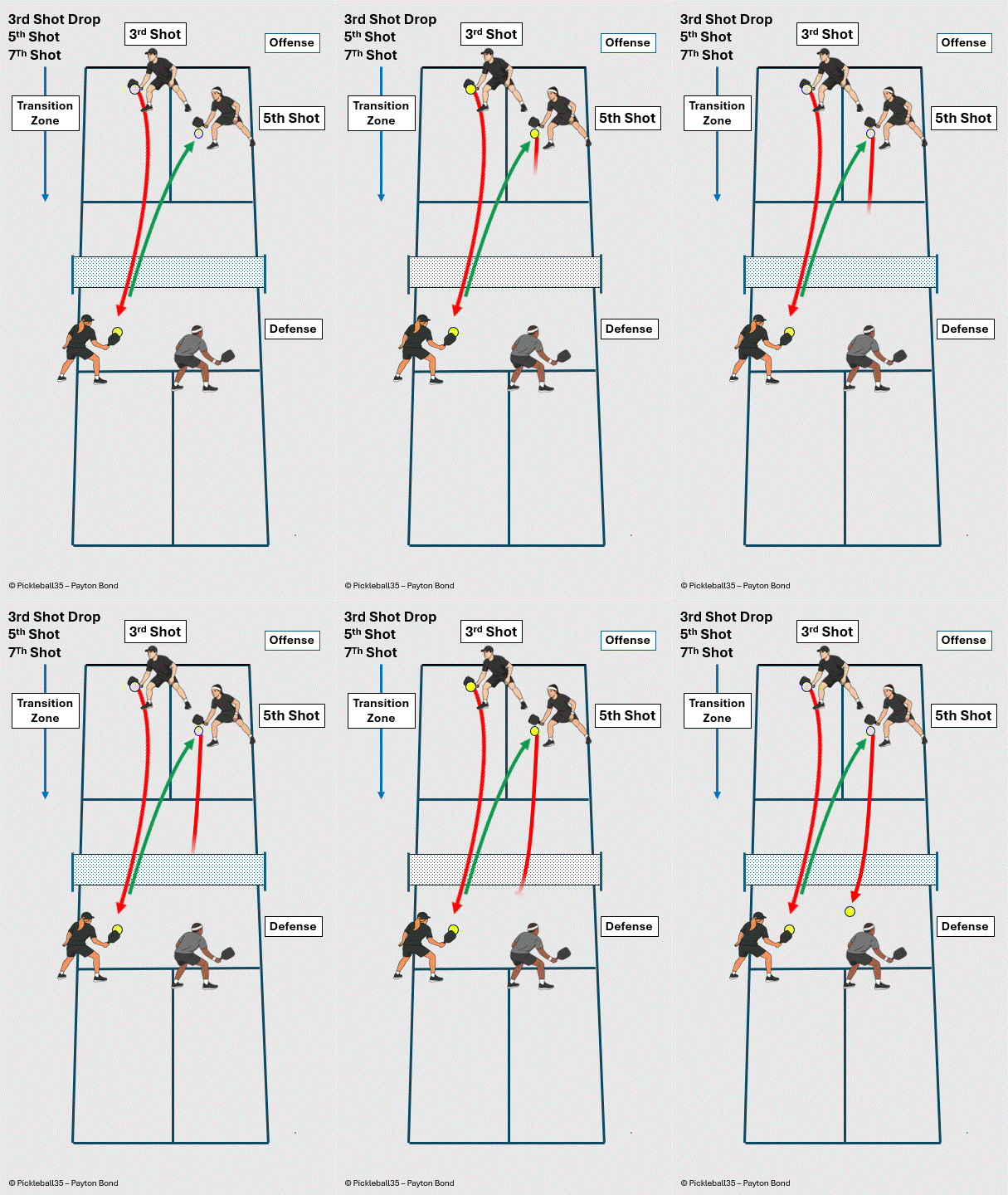
Navigating through the transition zone to the kitchen line is one of the great pickleball challenges. It is not always a straight path. More often, it is a zigzag journey that requires multiple drop shots and resets before you successfully reach the kitchen line.
The third-shot drop gets most of the attention, but in many rallies it is the fifth-shot and seventh-shot drops that ultimately help you reach the kitchen line.
The Third Shot Is Just the Beginning
The third shot in pickleball is pivotal. It begins your effort to move through the transition zone and reach the kitchen line. At this stage, your opponents are already at the line and controlling the point. Your goal is to advance, ideally forcing a mistake or popup you can attack, or at the very least, getting into a neutral dinking rally where both sides are even.
Whether you hit a third-shot drop, drive, or drip, the point is rarely over after the next exchange. If your shot does not create an advantage, your opponents will usually volley the ball back with pressure.
This is where many players get stuck.
After your third shot, you should continue working your way forward. If your opponents return the ball and you have time to steady yourself, your next shot is often a drop. This is known as the fifth-shot drop. As you move closer to the kitchen line, you often have less time and space to drive the ball effectively, which is why the fifth shot is frequently another drop or reset. If that comes back, you may need a seventh-shot drop, and perhaps another reset after that.
Move Forward with Controlled Footwork
After each shot, if your opponent cannot put the ball away, take one or two small steps forward. Do not charge recklessly toward the net. Progress slowly and under control.
Use a Split Step
Use a split step before your opponent makes contact with the ball. A split step is a small hop that lands you in a balanced, athletic position. This pause creates stability, prepares you to move in any direction, and gives you better control of your next shot as you work your way through the transition zone.
Move Forward with Your Partner
It is also important to stay in sync with your partner as you advance through the transition zone. If one player moves forward while the other remains deeper, the defense will often target the player who is furthest back and exploit the gaps that develop between partners. Move forward together whenever possible. Advancing as a team reduces openings, makes it harder for the defense to isolate one player, and forces them to deal with two players working their way toward the kitchen line instead of just one.
Stay Alert for Attackable Balls
As you move forward, stay alert for attackable balls. If your opponent leaves a volley above net height, use your quick hands to put the ball away. The goal is not simply to reach the kitchen line. It is to advance far enough that you can either finish the point or force a neutral dinking rally.
Don't Panic If Your Drop Travels a Little Too Deep
The first goal of a drop shot is simply to clear the net. A drop shot that lands in the net ends the point immediately.
Knowing this, many players focus on clearing the net and occasionally hit their drops a little too deep. While that is not ideal, it does not necessarily mean the rally is over.
If your opponent has to stretch to volley the ball, contact it from a difficult position, or hit a backhand volley, they may not be able to attack effectively. Often their best option is to simply volley the ball back toward your feet, giving you another opportunity to reset and continue moving forward.
When this happens, stay balanced, reset, and hit another drop shot.
The purpose of any drop shot is to force a mistake that allows you to win the point outright, or, in many cases, to create another opportunity to move forward, improve your position, and continue working toward the kitchen line with another reset or drop shot.
Keep Progressing with Patience
If your fifth-shot drop comes back, hit a seventh-shot drop. If that comes back, hit another.
With each successful split step, reset, and drop shot, you and your partner can move a little closer to the kitchen line. Every drop shot places pressure on your opponents and reduces their ability to attack.
Many players think a third-shot drop must be perfect to succeed. In reality, experienced players understand that working through the transition zone often requires several resets before control of the point is gained.
The transition zone is one of the most challenging areas of the court, but players who stay patient, move forward under control, and trust multiple drop shots instead of just one are far more likely to reach the kitchen and gain control of the rally.
One imperfect drop shot is not the end of the point. Often, it is simply setting up the next one.